For years, offering benefits meant picking a fixed package and hoping it would suit most people. Meal vouchers for everyone, from the intern who lives next to the office to the manager who spends the day in external meetings. The model worked because nobody had a better alternative. That has changed.
The 2026 employee wants to decide where their own benefit makes a difference. One wants to use it at the supermarket, another at daycare, another at the gym. When the company offers that choice, the benefit stops being a cost that sits as an unused balance and starts being seen as real care. That is when it starts to weigh in on accepting an offer or staying one more year.
Personalization is now an expectation, not a perk
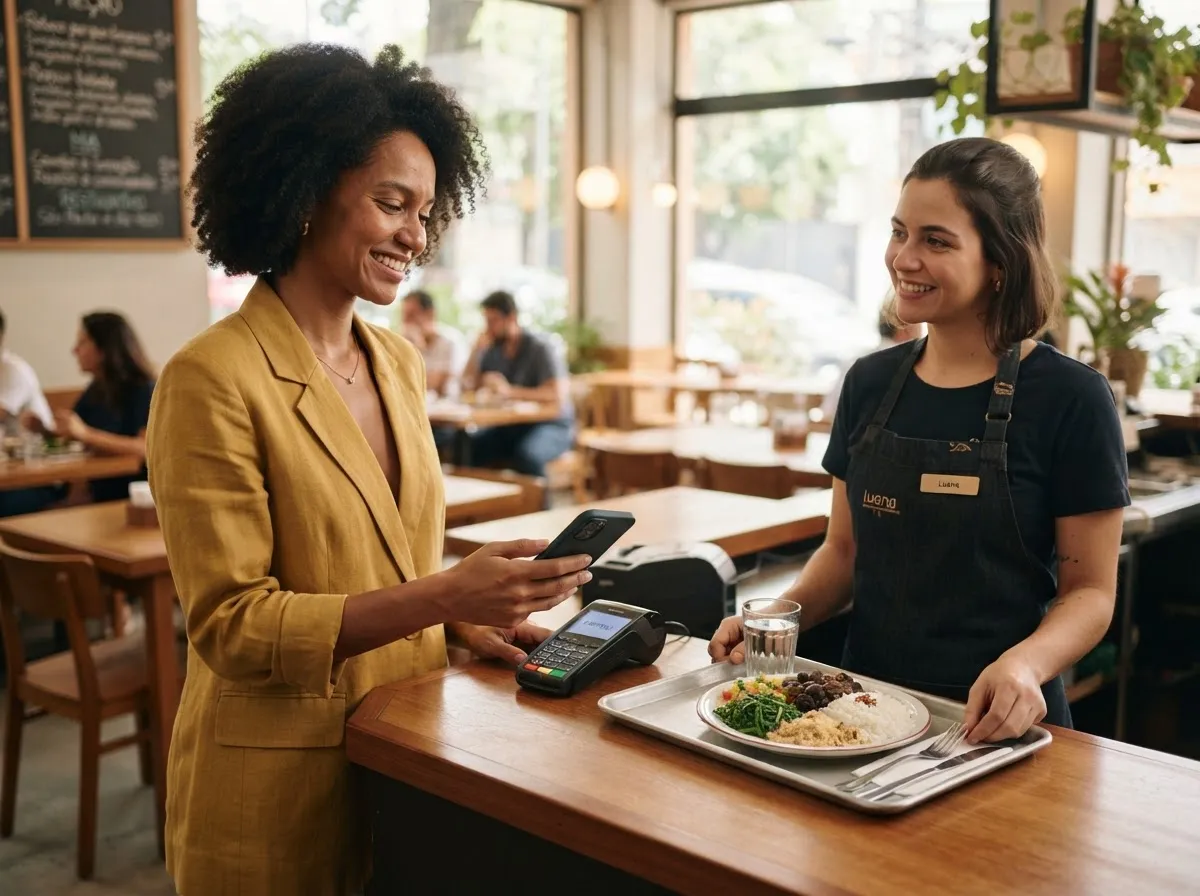
The question HR hears in interviews has changed. It is no longer “do you offer meal vouchers?”, but “can I use it where I need it?”. Companies that say yes get ahead in the race for talent, especially among younger professionals, who grew up choosing everything on their phones.
Fewer platforms, more control
The other side of the coin is management. Flexibility cannot cost chaos for whoever runs it. The trend is to bring everything into one place: one card, one portal, one invoice. HR sets the rules once and the operation runs, with clear data on who used what and where. Flexible for employees, predictable for the company.
If your company still treats benefits as a rigid package, 2026 is a good year to rethink it. The conversation with your team gets easier, and so does the one with finance.
I want to know Bee Benefícios